NVIDIA Zorah Art Blast

Pushing the Boundaries of Real-Time Graphics with Neural Rendering
At Lightspeed Studios, a part of NVIDIA’s Developer and Performance Technology group, our mission is to push the boundaries of what’s possible in graphics. We focus on everything from technology development and synthetic data generation to rendering, graphics, and AI — especially for gaming.
A big part of what we do involves building technology in collaboration with other teams across NVIDIA, often resulting in demos that bring together multiple innovations into one cohesive showcase. These demos aren’t just for presentation; they’re crucial for refining and integrating new technology as we develop it.
Introducing Zorah: A New Benchmark for Real-Time Graphics with Neural Rendering
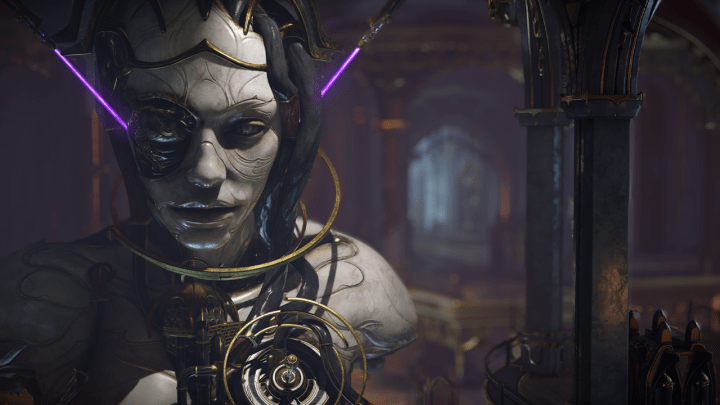
Our latest project, Zorah, is a testament to this collaborative spirit. Created for the launch of NVIDIA’s GeForce RTX 50 Series GPUs powered by the NVIDIA Blackwell architecture, Zorah was a major highlight of NVIDIA CEO Jensen Huang’s 2025 CES keynote. The demo’s stunning environments and intricate materials showcase the performance and features of the latest GeForce RTX 50 Series GPUs and NVIDIA RTX neural rendering, pushing the boundaries of real-time rendering and visual fidelity.
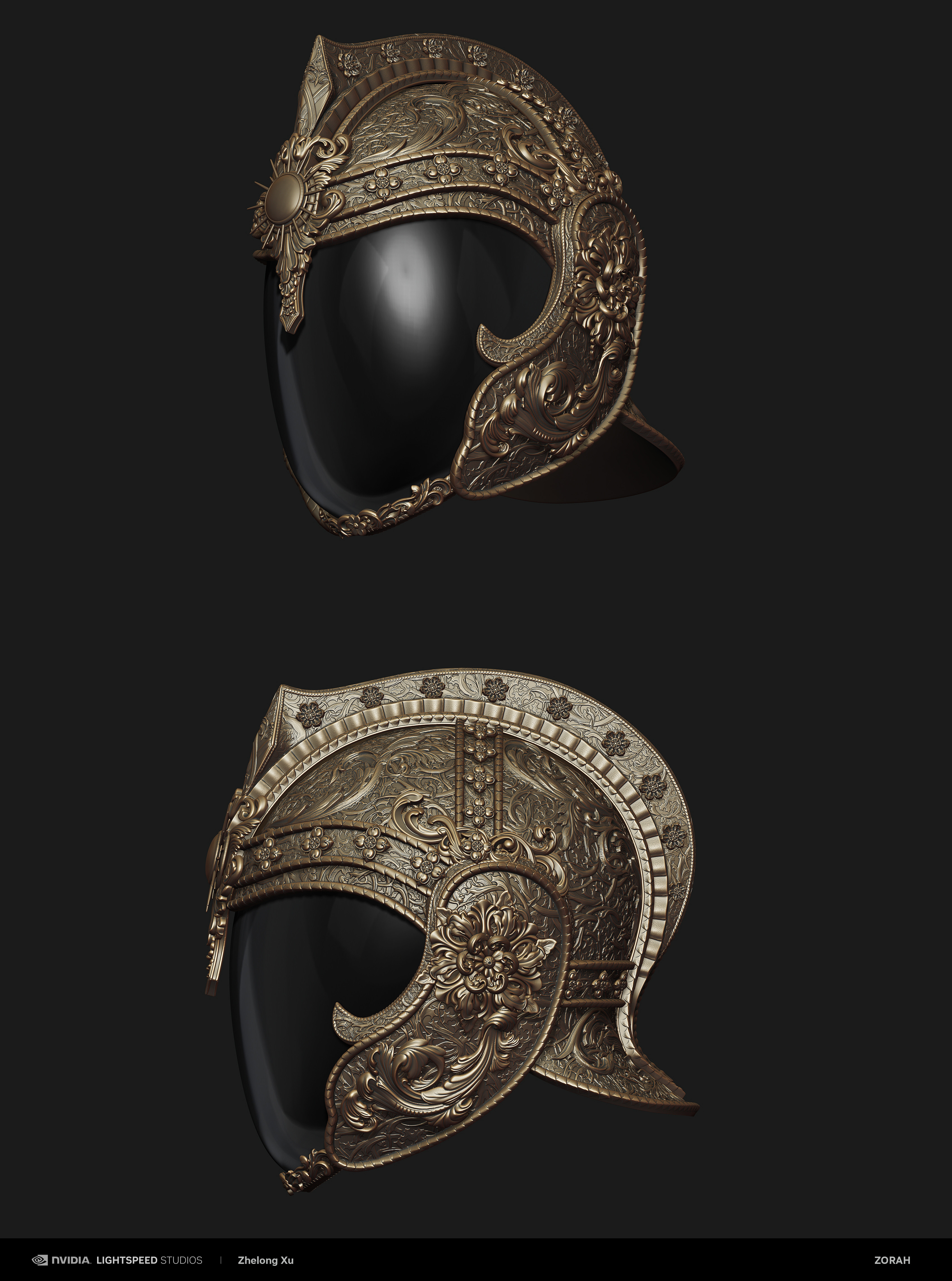
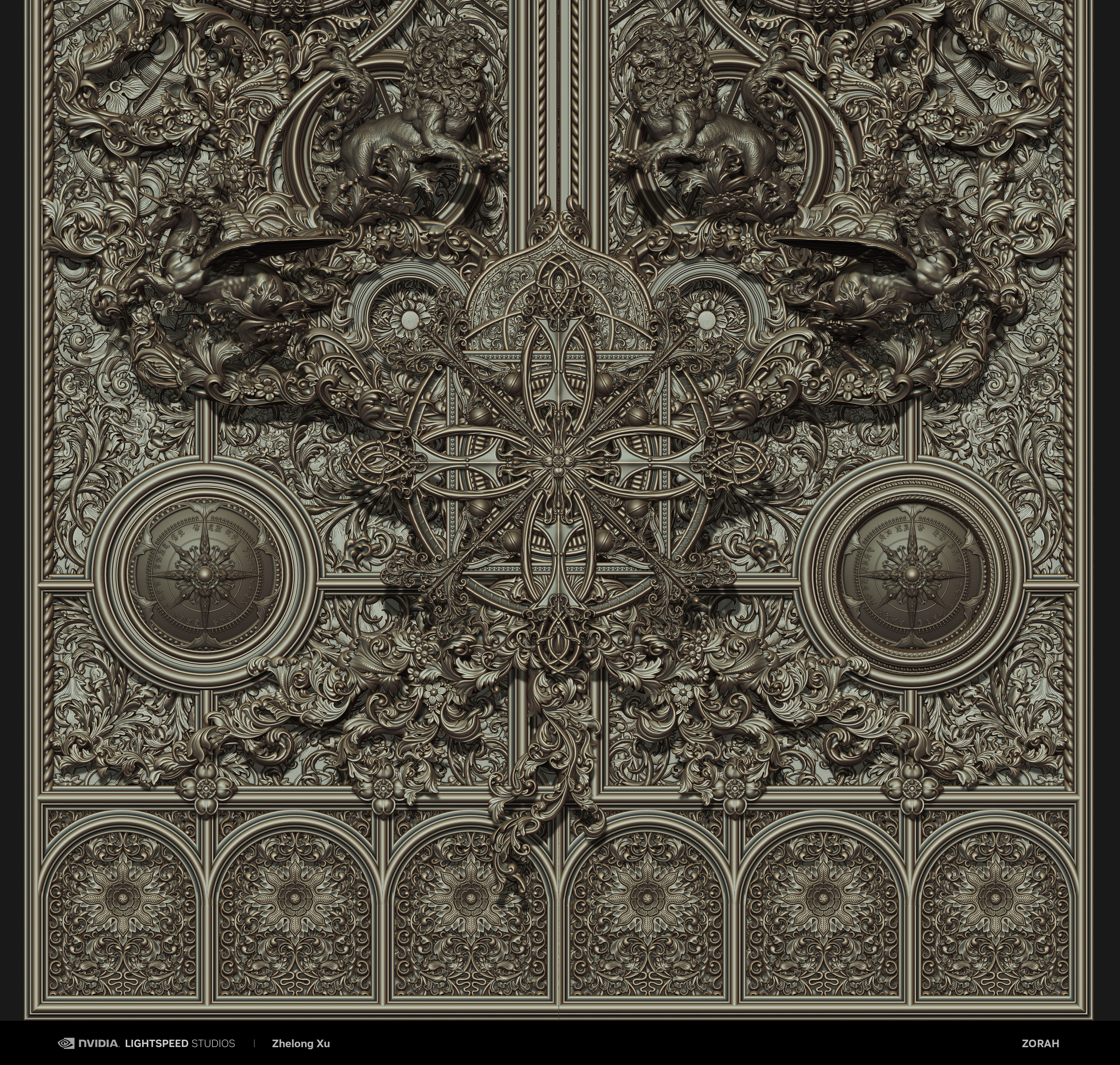
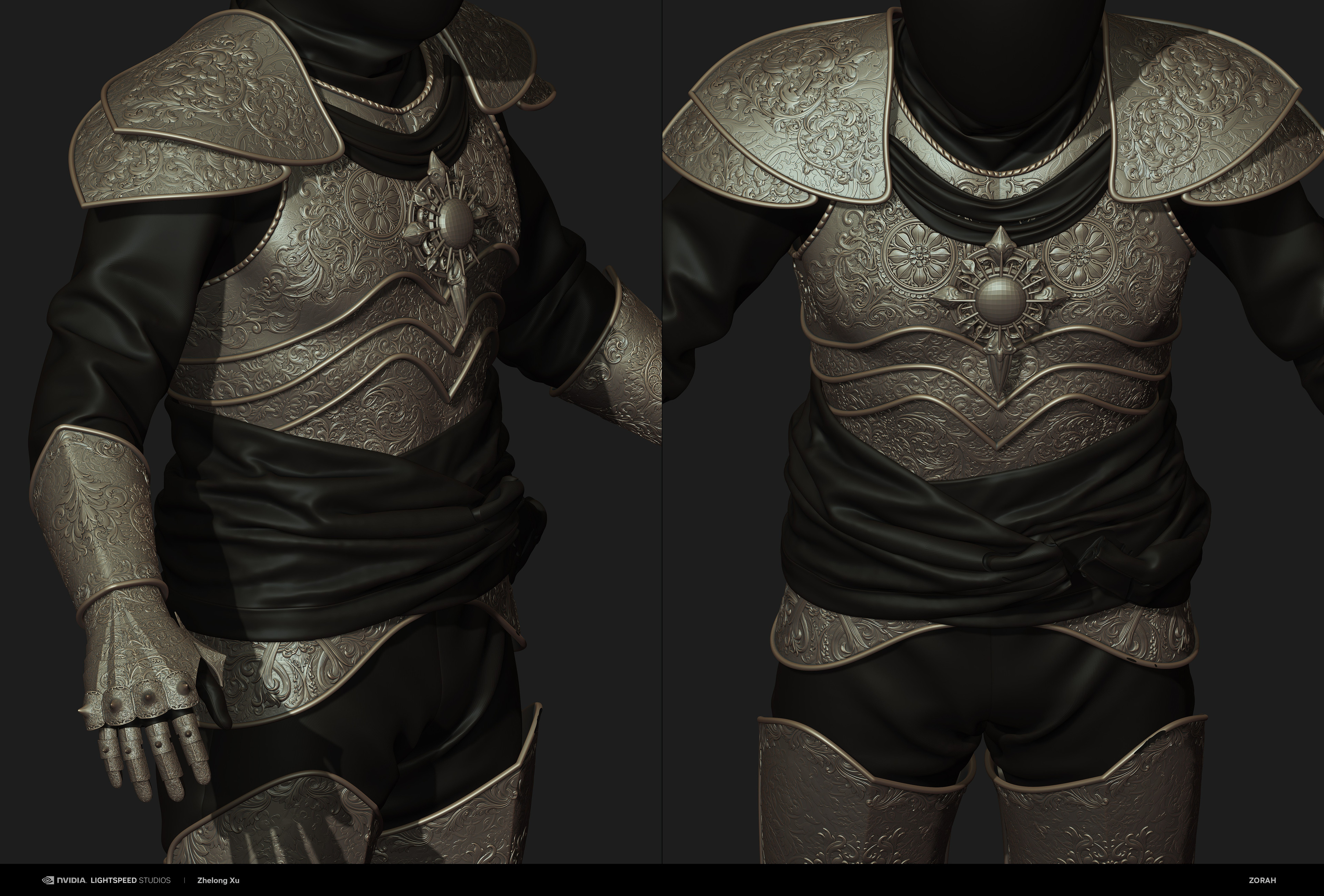
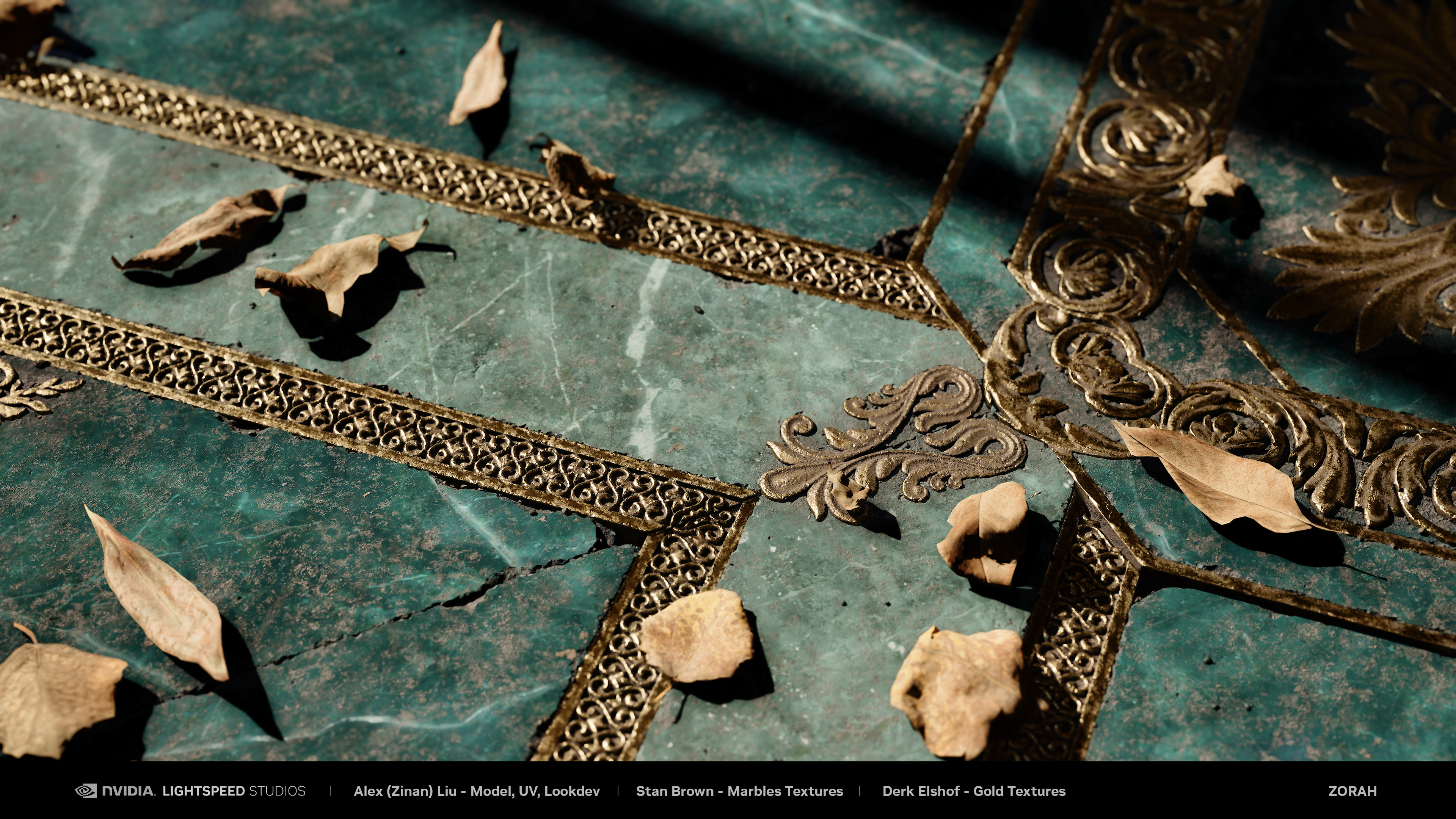
From the start, our goal was to craft an environment that felt both familiar and believable, yet unique enough to serve as a foundation for a fantasy world. Drawing inspiration from Baroque architecture and cinematic references, our artists combined ornate detailing and historical influences into a cohesive, immersive space. Working closely with our technical teams, we ensured every design element and lighting choice would best highlight the new advancements in rendering.
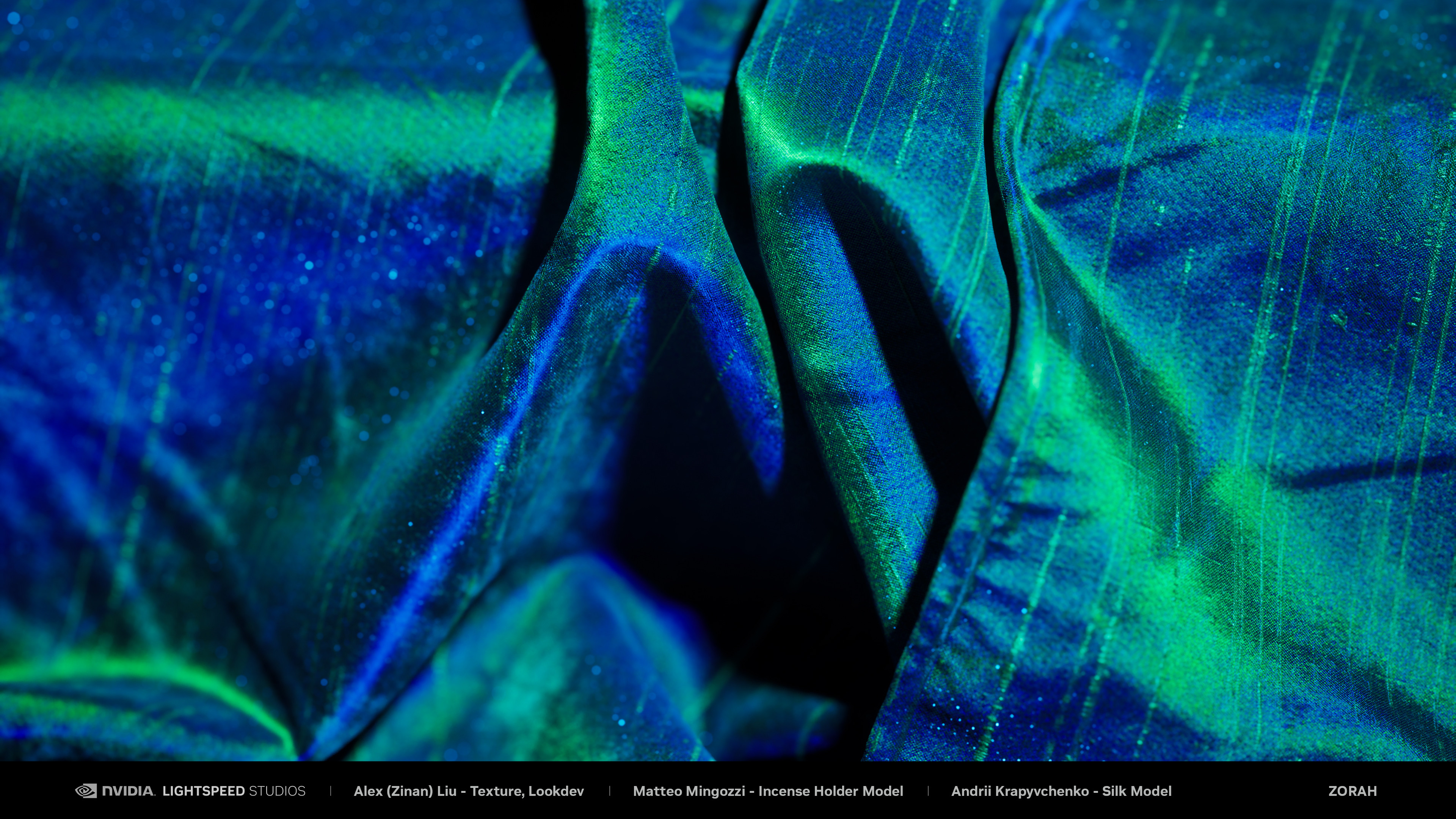
With the fidelity now achievable, our team focused on micro details that enhance realism both from afar and up close. We wanted every corner of the environment to surprise and engage viewers. As such, every asset in the project went through Adobe Substance 3D Painter, Designer, or Photoshop at some point during production.
Technical Innovations: Neural Rendering and Beyond
On the technical side, Zorah leverages a range of NVIDIA RTX Kit technologies, including RTX Mega Geometry to path trace geometry of unprecedented complexity, RTX Dynamic Illumination for dynamic shadows and multi-bounce mirror reflections, NVIDIA’s ReSTIR PT enhances real-time path tracing through spatiotemporal resampling and correlated sample reuse, enabling high-quality global illumination with minimal computational overhead, and the latest neural rendering technologies of DLSS 4 — all seamlessly integrated into Unreal Engine 5. Every detail in the demo was crafted to showcase the innovations behind Blackwell, and seeing it come to life was truly rewarding. All of these technologies are available in the NVIDIA RTX Branch of Unreal Engine.
A Collaborative Effort
The Zorah project has been a true team effort, driven by the dedication and talent of our artists, technicians, engineers, dev tech, rendering, and research teams. A huge thank you to everyone at Lightspeed Studios for your hard work in bringing this project to life for our GeForce RTX 50 Series reveal.


Alena Korobeinikova – Artist – NVIDIA

Alex (Zinan) Liu – Tech Artist – NVIDIA


Andrii Krapyvchenko – Artist – NVIDIA


Artem Mykhailov – Artist – NVIDIA

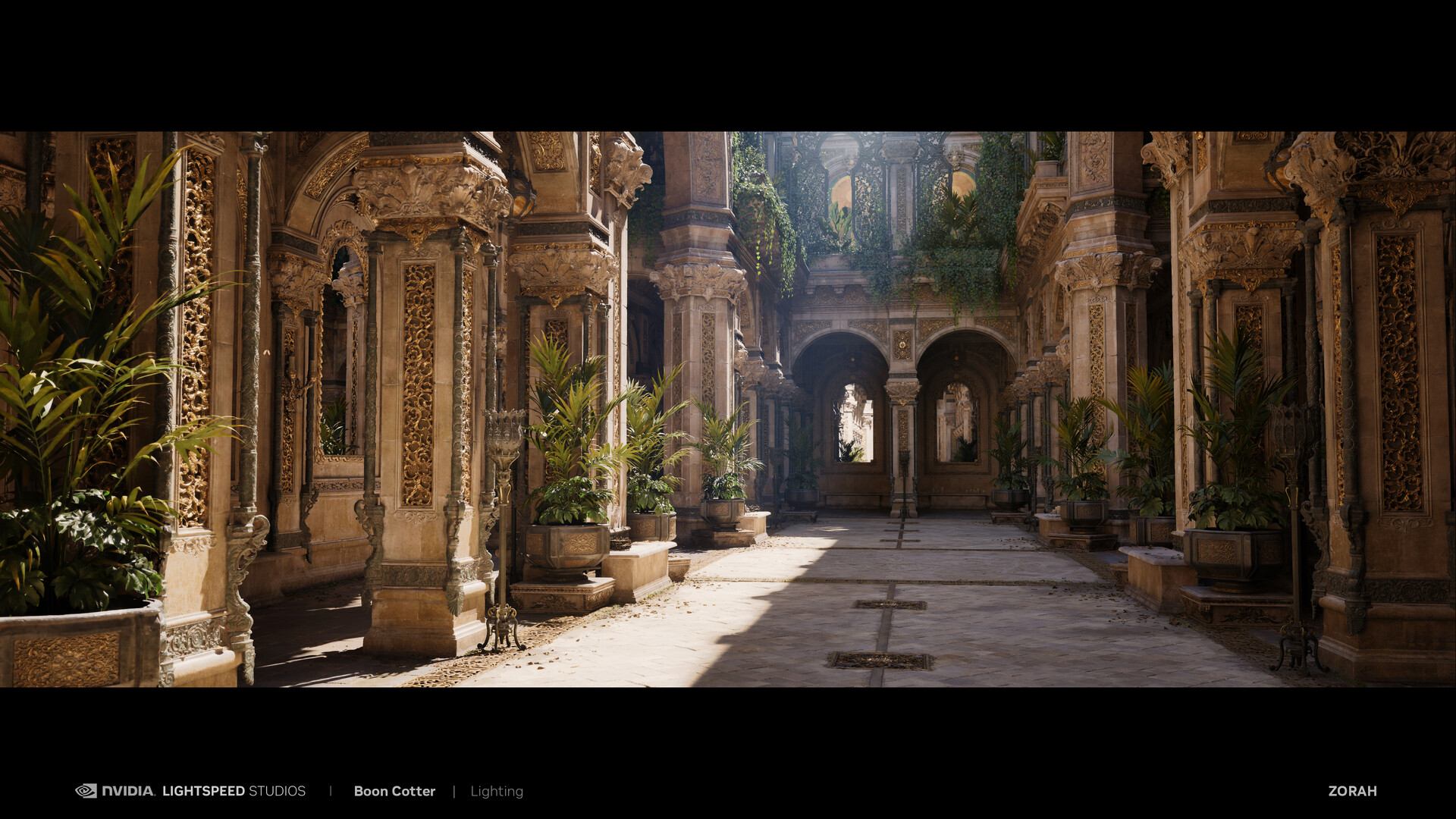

Boon Cotter – Lighting Artist – NVIDIA


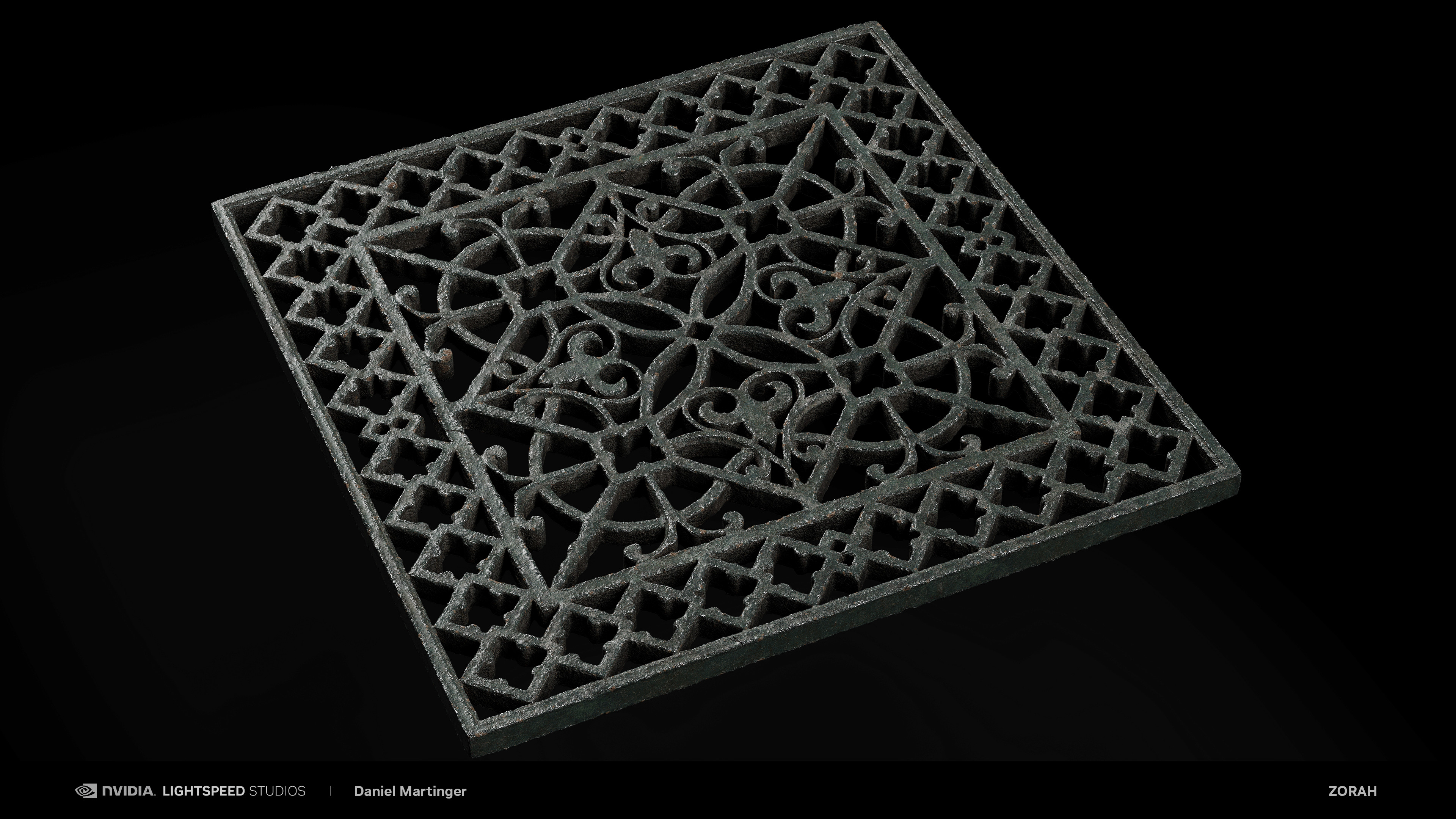
Daniel Martinger – Artist – NVIDIA


Derk Elshof – Material Artist – NVIDIA


Dmytro Hubkin – Artist – NVIDIA


Emmanuel Marshall – Artist – NVIDIA


Eytan Zana – Concept Artist – NVIDIA


Illia Chornobrov – Artist – NVIDIA


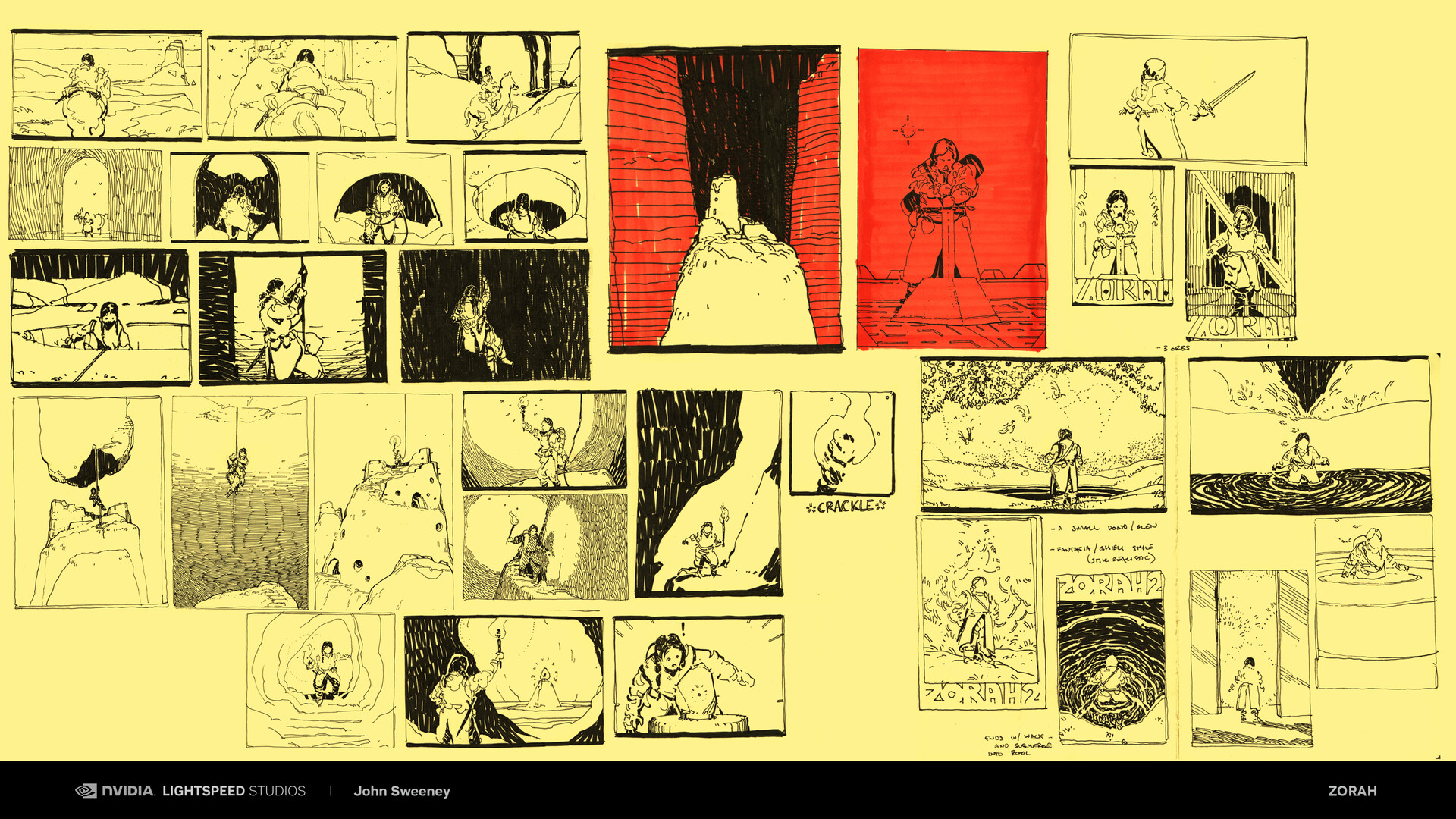
John Sweeney – Art Director – NVIDIA


Lorenzo Drago – Artist – NVIDIA
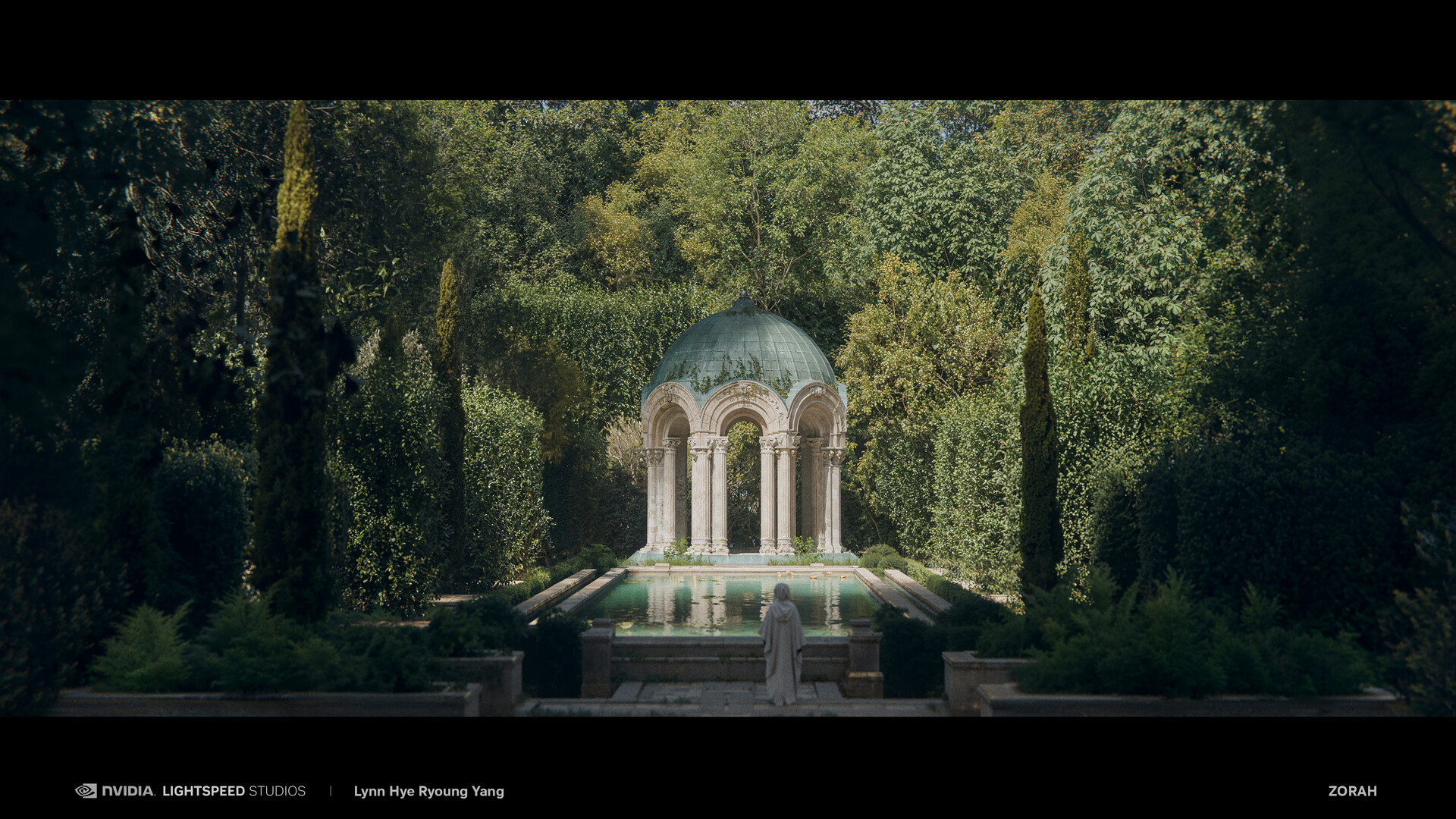
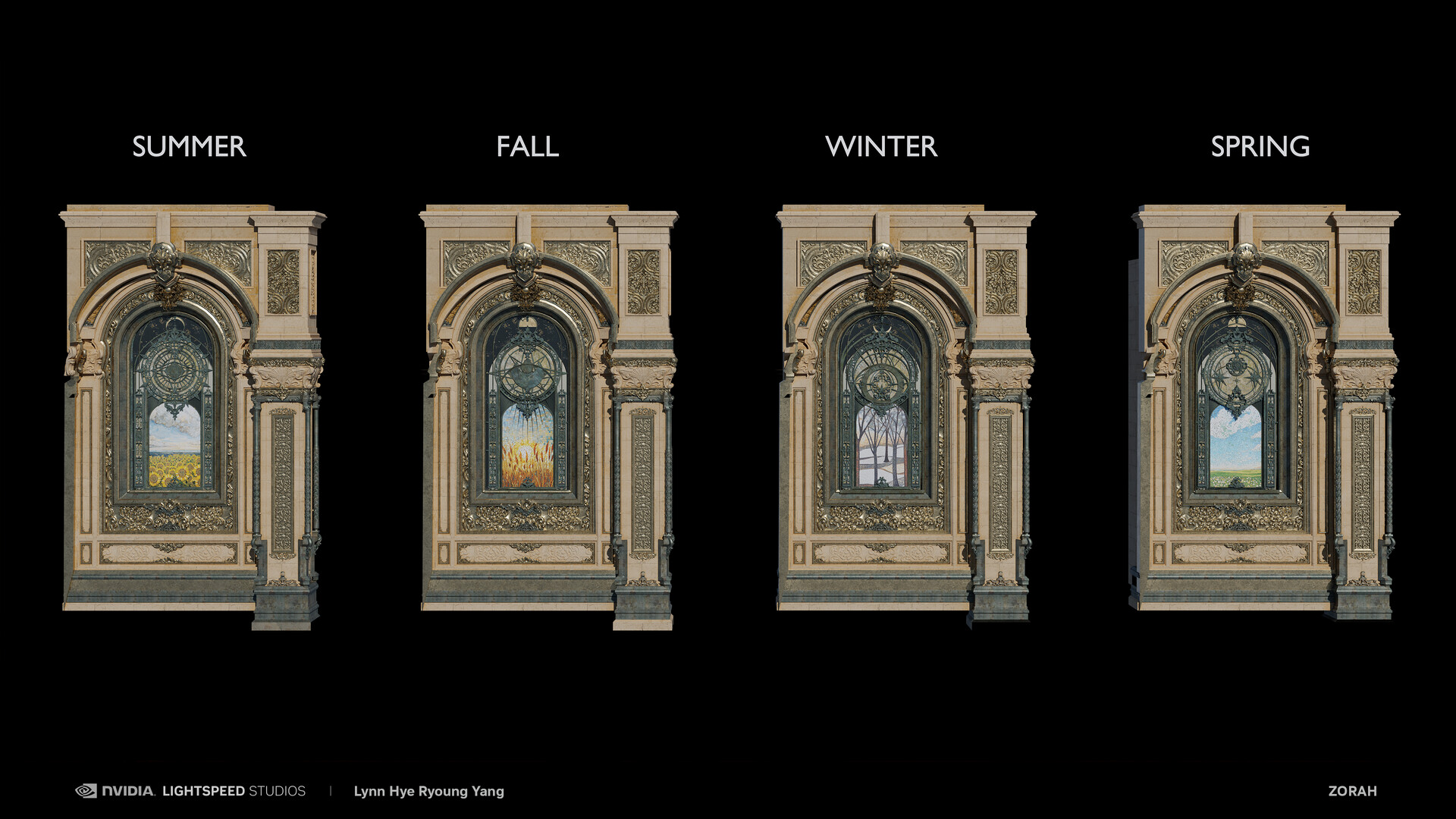

Lynn Yang – Concept Artist – NVIDIA

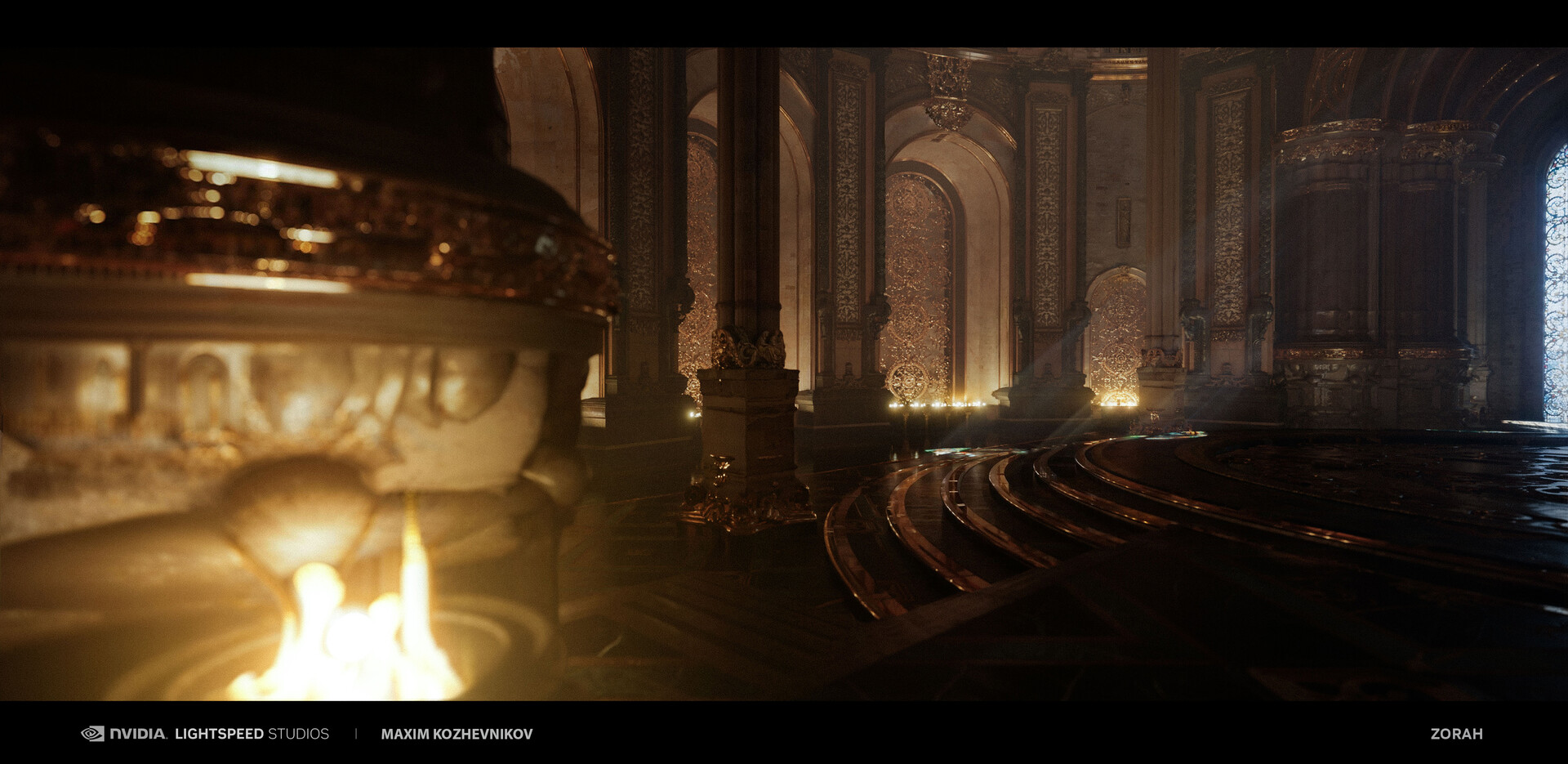
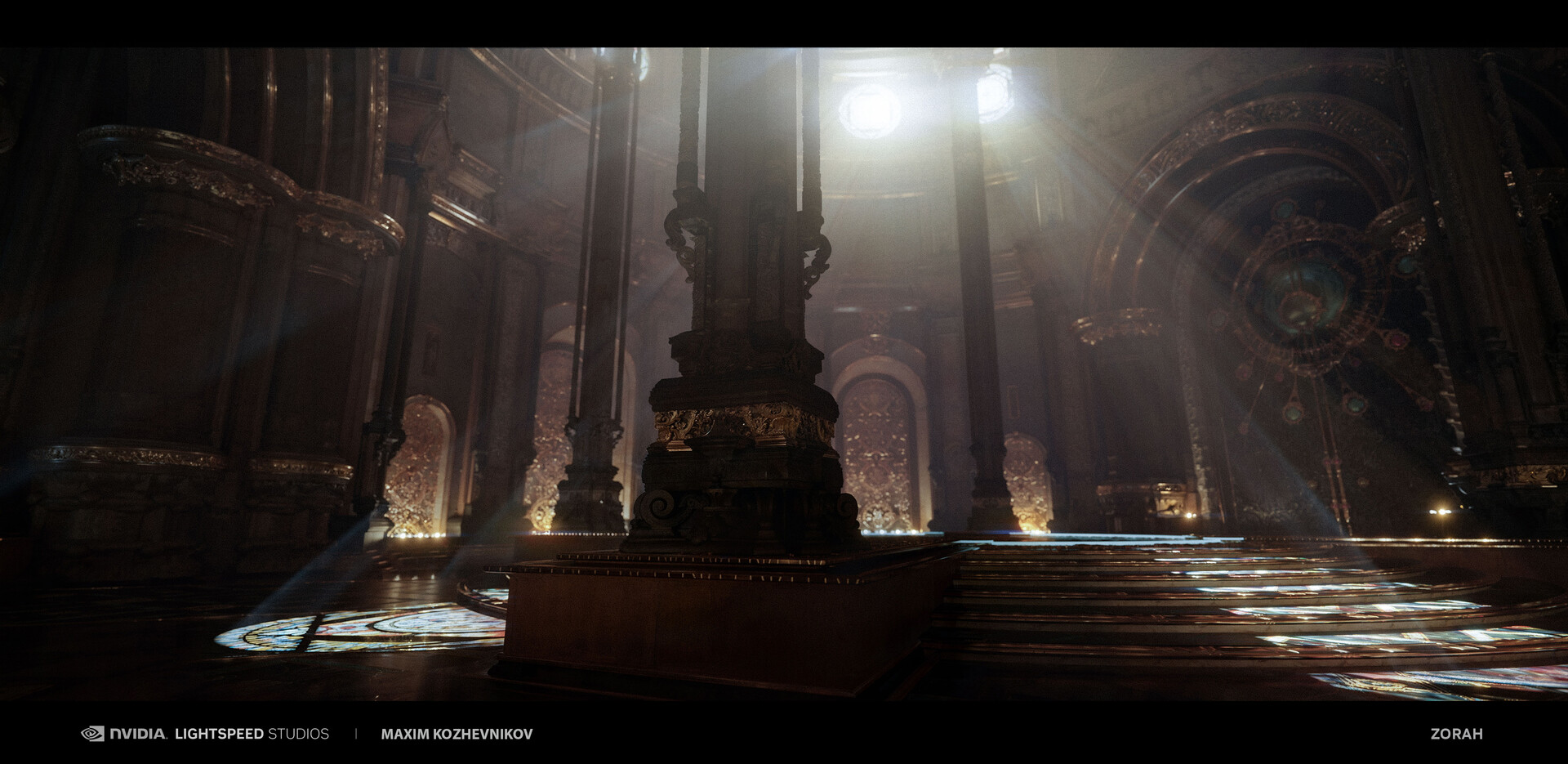
Maxim Kozhevnikov – Concept Artist – NVIDIA


Mostafa Sobhi – Artist – NVIDIA


Robby Johnson – Concept Artist – NVIDIA


Shangyu Wang – Artist – NVIDIA
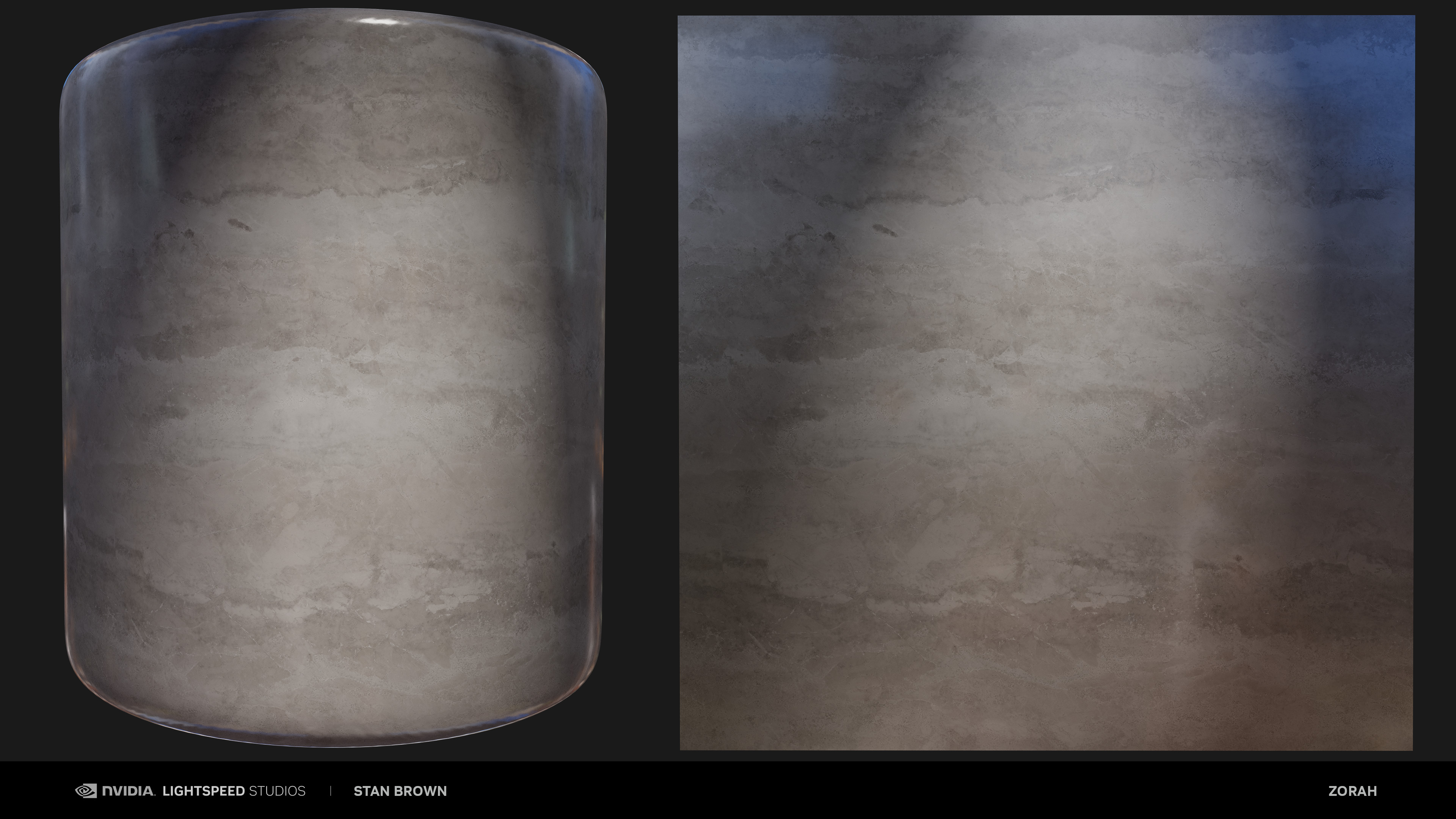
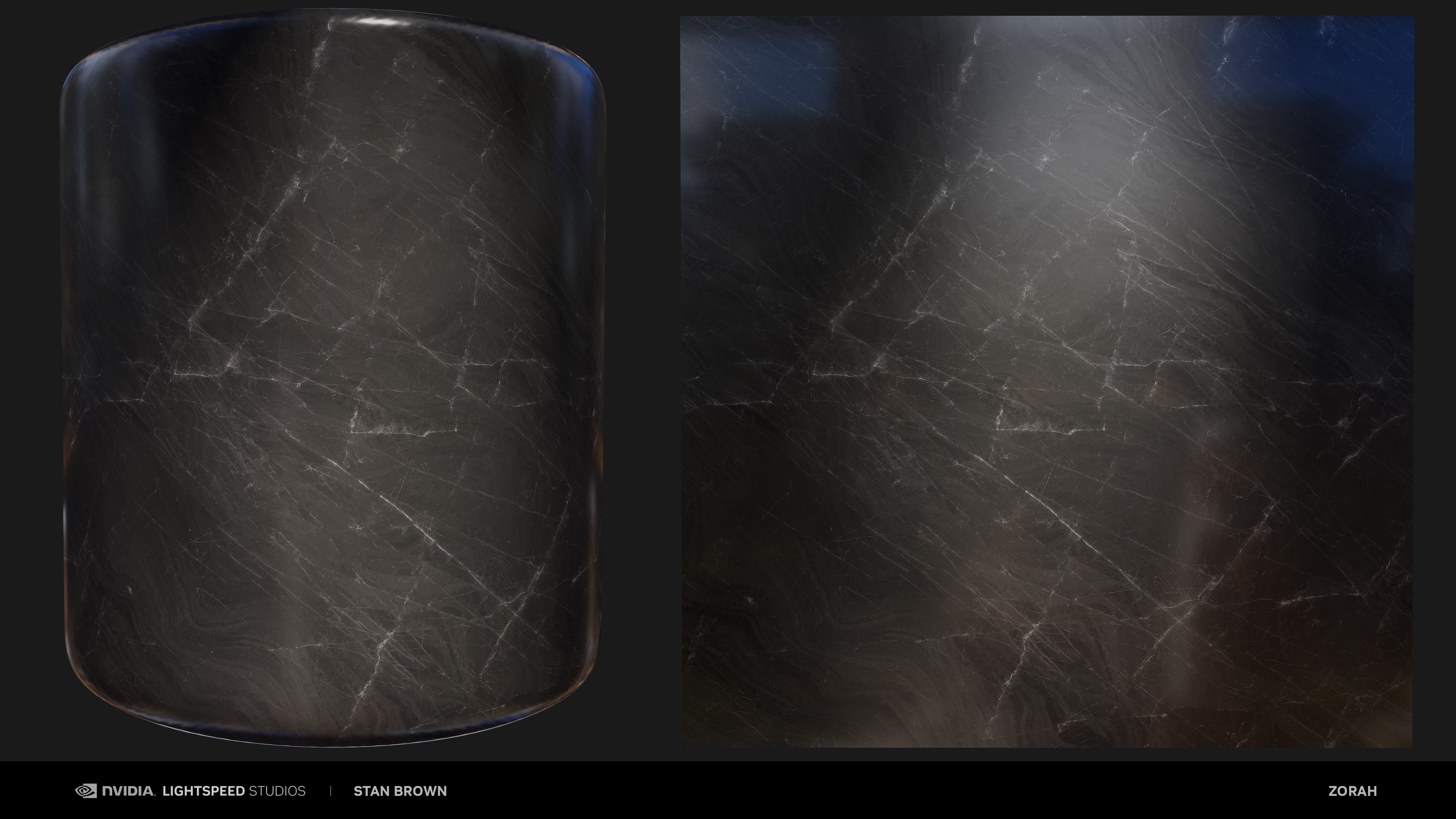
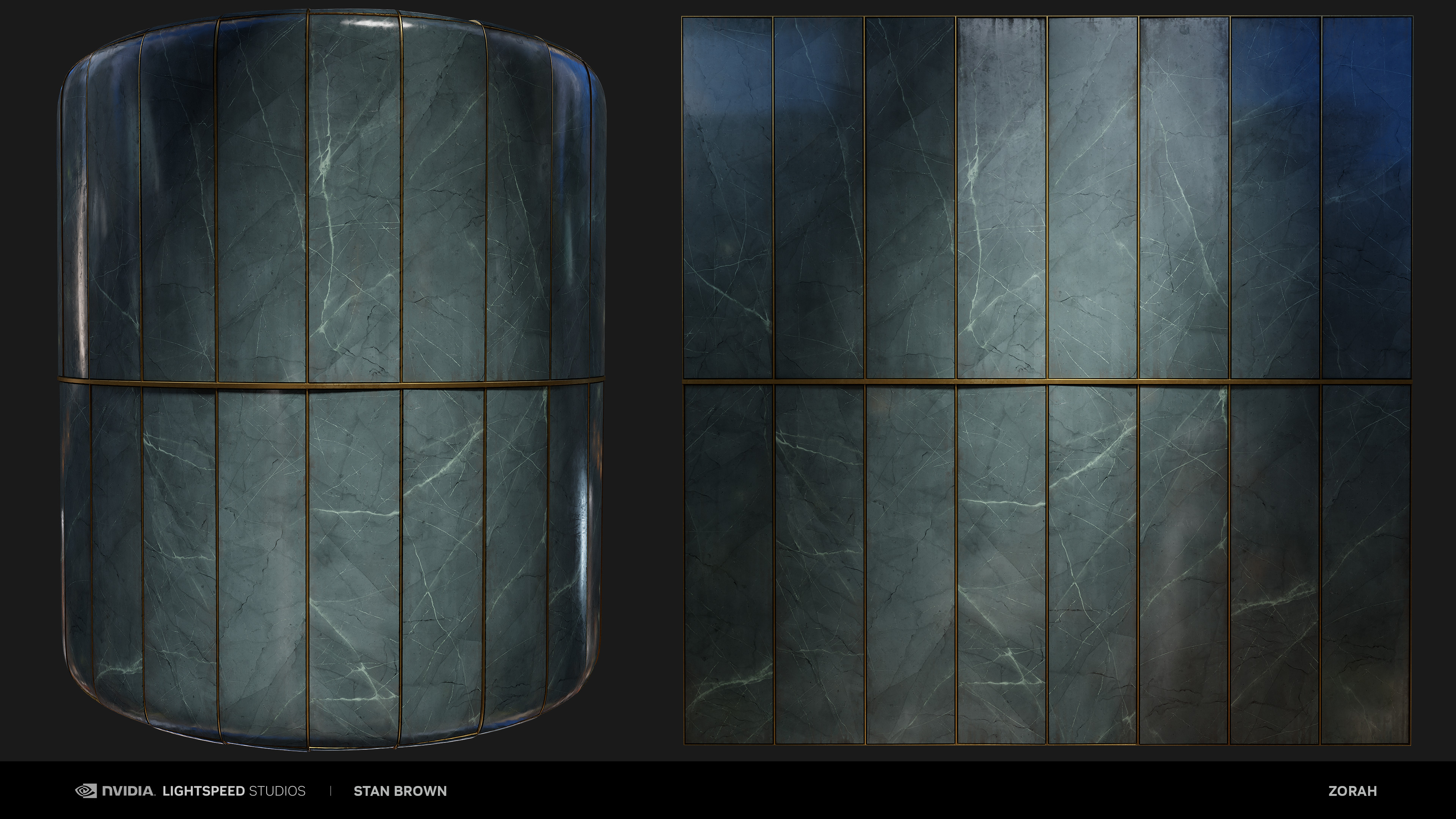
Stan Brown – Material Artist – NVIDIA


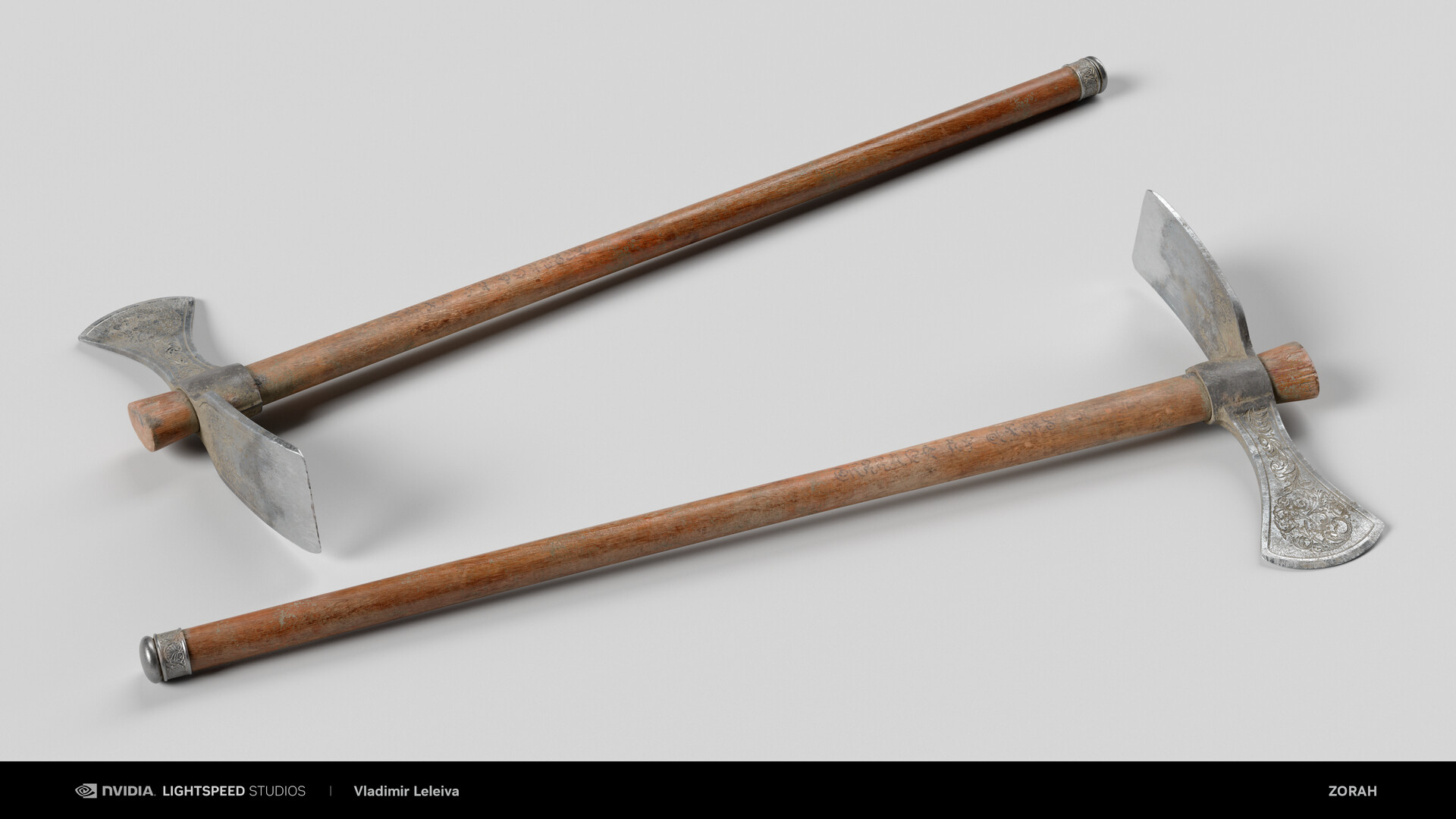
Vladimir Leleiva – Artist – NVIDIA

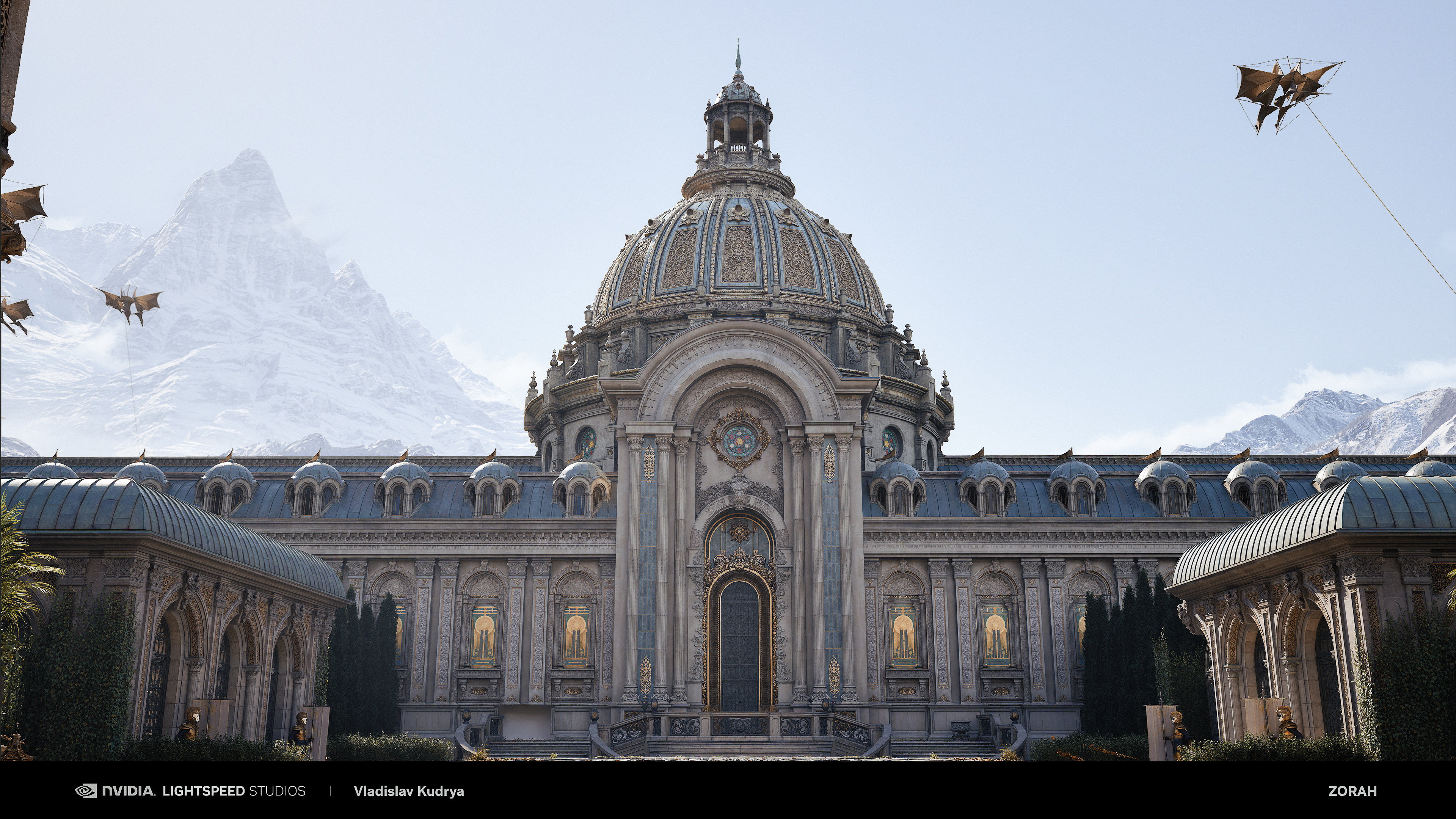

Vladislav Kudrya – Environment Artist – NVIDIA


Wendy Pham – Lighting Artist – NVIDIA


Zachary Lane – Artist – NVIDIA